

Backlit Film in Austin, TX
Backlit graphics represent a powerful visual asset for modern commercial real estate displays and high-traffic marketing campaigns. This specialized polyester material distributes light evenly across its surface, eliminating glare and ensuring maximum visibility for property listings day and night.
Backlit Film in Austin, TX
Backlit graphics represent a powerful visual asset for modern commercial real estate displays and high-traffic marketing campaigns. This specialized polyester material distributes light evenly across its surface, eliminating glare and ensuring maximum visibility for property listings day and night.

Material Strength and Heat Resistance
Durability is critical when selecting media for long-term commercial property displays. This translucent film stands out for its dimensional stability and resistance to heat generated by continuous internal lighting systems, such as LED modules. Manufactured from high-density polyester, it does not warp or bend under prolonged elevated temperatures, ensuring graphics remain perfectly taut and professional.
Choosing the Right Thickness
Selecting the correct thickness prevents structural issues like wrinkling or sagging in large frames. Thinner films work well for smaller lightboxes with frequent graphic changes, while thicker options provide the rigidity needed for larger formats. For non-backlit marketing setups like events or office receptions, companies frequently opt for custom easel signs in austin to present architectural floor plans or renders stably.
Integrating these graphics into a real estate strategy requires understanding the available options for different commercial environments.
Sticky vs. Non-Sticky Film
The choice between adhesive-backed and non-sticky film depends on how often graphics are updated:
- Non-sticky films: Ideal for commercial lightboxes where featured properties change regularly, sliding easily into frame channels without leaving residue.
- Sticky (self-adhesive) films: Best for permanent window installations or long-term displays where graphics must remain fixed.
Matte vs. Glossy Finish
Ambient light conditions determine the most suitable surface finish:
- Glossy finish: Maximizes color saturation, making it perfect for indoor spaces with controlled lighting or covered window displays.
- Matte finish: Drastically reduces reflections from sunlight or overhead fixtures, ensuring text legibility in bright outdoor settings.
Indoor vs. Outdoor Use
Outdoor films require water-resistant coatings and UV protection to prevent fading under direct sunlight. In commercial real estate promotion, these displays are often paired with portable sidewalk structures like a plastic a frame sign to capture pedestrian traffic. For premium projects requiring maximum durability and quick graphic swap-outs outdoors, utilizing a signicade deluxe serves as the industry standard.
Easy Installation and Replacement Tips
For non-sticky variations, clean the lightbox diffuser panel, center the graphic, and secure the edges using snap frames. For self-adhesive versions, use a wet application method with a light water and soap mixture on the acrylic backing to allow easy repositioning while using a felt squeegee to push out trapped air.
To ensure the material performs optimally when backlit, print shops must follow precise technical parameters.
Printing on the Front vs. Back
The design can be applied to the substrate in two different ways:
- Front printing: Ink is applied directly to the textured front layer, delivering vibrant details and immediate visual impact.
- Back printing (Mirror print): The design is printed in reverse on the back of a clear film, allowing the polyester base to act as a barrier against scratches and wear.
Choosing the Right Ink
- Latex and UV inks: Provide superior adhesion and instant curing, offering excellent weather resistance for outdoor displays.
- Eco-solvent inks: Deliver exceptional detail and smooth color gradations, recommended for high-resolution indoor displays.
Color and the “Double Pass” Trick
When light passes through the material, colors tend to look washed out. To counteract this, print shops utilize the double pass technique, depositing a thicker layer of ink or printing two identical layers in perfect alignment. This ensures graphics maintain rich saturation and contrast when the light source is active.
- Real estate brokerage windows: Luminous displays highlighting active listings 24/7 in high-traffic areas.
- Corporate office lobbies: Backlit directories that assist visitor navigation.
- Commercial retail centers: Illuminated tenant directories and promotional displays in business parks.
For traditional indoor signage without internal lighting, deploying custom foam board signs in Austin provides an economical solution for presentation boards.
Similarly, when promoting land developments in construction phases, installing large commercial real estate signs along property boundaries remains highly effective. For these ground installations, understanding how to put stakes in yard sign is essential to ensure the structure survives heavy winds.
Choosing the correct location for large-format media is vital; learning Where to Place Real Estate Signs maximizes brand visibility. Additionally, selecting the proper dimensions using a standardized Real Estate Sign Size guide avoids municipal zoning violations. Finally, answering What is the Best Real Estate Sign Material? allows developers to select the right balance of aluminum composites, corrugated plastics, or translucent films.
The design professionals at Sign Depot ATX, based in Austin, Texas, specialize in creating custom sign packages tailored for schools, corporate offices, and real estate developments.
- +10 Years of Experience: Proven track record ensuring top-tier material selection and flawless execution.
- Full-Service Project Management: Comprehensive coordination covering design, permits, production, and installation.
- Solutions-Oriented Approach: Technical expertise to overcome unique architectural and spatial challenges.
- Consultation Services: Professional guidance helping clients choose the ideal materials and printing techniques.
Contact Information
- Address: 12110 Manchaca Rd. Suite 200, Austin, TX, 78748
- Email: wecare@signdepotatx.com
- Phone: 512 219 8000
Follow Us
 Facebook
 Instagram
Why Choose
Custom Murals

How to Choose the
Right Artist in Austin, Texas

Types of Custom
Murals Available

The Creative Process
Behind a Custom Mural

Inspiration for
Your Next Project
COMPLETE THE FORM
CHECK OUR WORK
FAQ’S
What is the difference between sticky and non-sticky film?
The choice depends on the frequency of graphic updates. Non-sticky films slide easily into lightbox frames without leaving adhesive residues, making them ideal for frequently updated listings. Sticky (self-adhesive) films are designed for permanent installations on glass or acrylic surfaces where the graphic must remain completely fixed.
Why is double pass printing necessary?
When light passes through translucent film from behind, it tends to wash out the colors and reduce visual contrast. The double pass technique deposits a thicker layer of ink or prints two identical layers in perfect registration, ensuring that colors remain rich and saturated when the lightbox is turned on.
Should I choose a matte or glossy finish?
The selection depends on the ambient lighting of the installation site. A glossy finish maximizes color depth and works best in controlled indoor environments or covered window displays. A matte finish drastically reduces glare and reflections from sunlight or overhead fixtures, ensuring readability in bright outdoor areas.
Can backlit film be used outdoors?
Yes, but the film must feature water-resistant coatings and advanced ultraviolet (UV) protection to prevent ink degradation and fading from sunlight. Additionally, outdoor backlit displays are highly effective when paired with durable, weather-resistant structural frames.
How do I install adhesive film without bubbles?
A wet application method is recommended for self-adhesive films. Applying a light mist of water and mild soap to the acrylic backing allows for easy repositioning during installation. A felt squeegee is then used to push out trapped water and air bubbles from the center outward without scratching the printed surface
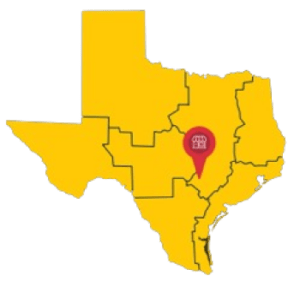
Find Us in Austin, Texas
12110 Manchaca Rd. Suite 200 Austin, TX, 78748
Email: wecare@signdepotatx.com
Phone: 512 219 8000