

Floor Graphics in Austin
Transform your floors into prime advertising space with durable, slip-resistant vinyl decals designed for high-traffic Austin businesses.
Floor Graphics in Austin
Transform your floors into prime advertising space with durable, slip-resistant vinyl decals designed for high-traffic Austin businesses.
What Floor Graphics Are and How They Are Made
Custom floor decals serve as a highly effective marketing and informational tool designed specifically for horizontal surfaces. This medium works exceptionally well because pedestrian movement naturally forces individuals to look downward or toward mobile screens while walking. By utilizing these unused surface areas, businesses can capture consumer attention with heavy-duty floor stickers in a space that faces very little visual competition.
The production of these assets relies on a specialized two-layer system engineered to withstand heavy use. The base consists of a premium commercial vinyl film where high-definition inks print vibrant visual assets. A clear, rugged, slip-resistant laminate is then applied over the print to act as a protective shield against constant friction. Implementing creative ideas for custom signage designs on the floor allows brands to turn ordinary walkways into interactive sticker marketing touchpoints.
Safety and durability are the most critical factors for any horizontal indoor advertisement. The texturized grip of the top protective layer guarantees pedestrian safety, maintaining a reliable slip-resistant surface even when exposed to water or moisture on the floor stickers. The material is structurally rated to withstand heavy foot traffic, retail shopping carts, and industrial cleaning equipment without peeling or cracking.
When a marketing campaign comes to an end, the removal process is straightforward and clean. Premium adhesives allow the material to be peeled off completely without causing damage to the subfloor or leaving behind sticky chemical residues. These elements make them ideal for retail product promotions, localized branding, and point-of-purchase advertisements. Furthermore, the product serves as an efficient directional sign to guide traffic flow, manage checkout lines, and indicate emergency exit pathways safely.
To achieve optimal adhesion, the material must be installed on completely smooth, hard, non-porous, and thoroughly cleaned surfaces. Identifying the right type of floor before production avoids unexpected installation failures.
- Compatible Surfaces: Commercial ceramic tiles, polished concrete, finished terrazzo, marble, and laminate wood flooring.
- Unsuitable Surfaces: Standard office carpeting, synthetic turf, bare dirt, brick pavers, and heavily cracked or textured concrete.
- Installing vinyl floor graphics on non-compatible surfaces results in premature edge lifting and immediate adhesive failure. Ensuring surface compatibility is the first step toward a flawless and long-lasting presentation.
Rules for Longevity
The way a graphic is shaped and maintained directly impacts how many months or years it will last. Die-cutting designs with rounded corners or circular perimeters prevents footwear from catching the sharp edges and lifting the floor stickers from the ground. Visual simplicity is also crucial; short messages, clean typography, and bold contrasting colors ensure the message remains perfectly legible from a standing height.
Standard maintenance routines can include regular mopping with water and mild pH-neutral liquid soaps. However, the use of industrial floor buffers, heavy scrubbing machines, and aggressive chemical solvents must be strictly avoided to preserve the protective laminate. Understanding these care requirements highlights the long-term benefits of professional sign printing over temporary alternatives.
Technical and Production Standards
Public and commercial installations must comply with official slip-resistance safety ratings, such as ASTM or DIN classifications, to prevent liability risks. During production, a mandatory outgassing and curing period of 12 to 24 hours is required post-printing before the protective laminate can be applied. Skipping this curing phase causes ink solvents to trap gas bubbles beneath the protective layer, degrading the visual quality.
Exterior applications or areas exposed to direct sunlight through storefront windows require specialized UV-blocking laminates to prevent color fading. Selecting premium materials and proper execution requires knowing what to look for in a custom printing service to ensure regulatory and structural compliance.
A successful installation requires patience and a systematic approach to avoid trapping air bubbles under the vinyl. The process begins with a deep clean where the designated area is swept and scrubbed to remove dirt, grease, waxes, and old adhesive residues. After the initial wash, the surface must be wiped down with isopropyl alcohol to neutralize invisible chemical residues left by commercial cleaners.
Once the floor is dry, the large-format sticker is positioned with the backing paper attached to verify alignment, using painter’s tape to mark the boundaries. The installer then peels back the first two to four inches of the protective backing paper, folds it neatly underneath, and presses the exposed adhesive edge onto the floor using a specialized felt-edged vinyl squeegee. The backing paper is slowly pulled away from underneath with one hand while the other hand advances the squeegee from the center outward to expel air. Finally, heavy pressure is applied along the entire outer perimeter of the decal to seal the edges against moisture penetration. Proper application techniques demonstrate how to combine design and printing for branding that lasts throughout an entire corporate cycle.
Sign Depot ATX consists of an established team of graphic design and production specialists based locally in Austin, Texas. Comprehensive capabilities ensure clients’ visions are brought to life seamlessly from the initial concept phase to final execution. The team specializes in manufacturing custom architectural graphics, event signage Austin businesses rely on, and educational visual assets for local schools, corporate headquarters, and medical facilities.
With more than 10 years of experience in the regional printing and commercial signage market, the company provides full project management services that oversee material selection, timeline coordination, and quality control. A solutions-oriented approach addresses complex architectural challenges, unique surface constraints, and tight commercial deadlines. Professional consultation services assist businesses in selecting the exact material specifications for specific project goals.
The production facility handles diverse marketing materials, including localized trade show displays Austin professionals use to stand out. Advanced equipment supports large-format printing tradeshow assets, retail window displays, and point-of-sale graphics. Additionally, the team designs and installs custom story wall graphics that communicate corporate history and brand values in public lobbies.
Contact Information
- Address: 12110 Manchaca Rd. Suite 200, Austin, TX, 78748
- Email: wecare@signdepotatx.com
- Phone: 512 219 8000
Follow Us
 Facebook
 Instagram
Why Choose
Custom Murals

How to Choose the
Right Artist in Austin, Texas

Types of Custom
Murals Available

The Creative Process
Behind a Custom Mural

Inspiration for
Your Next Project
COMPLETE THE FORM
CHECK OUR WORK
FAQ’S
Are custom floor decals safe to walk on when the surface gets wet
Yes, pedestrian safety is a primary focus during the manufacturing process. The top protective layer of the material features a specialized texturized grip that guarantees a reliable slip-resistant surface, even when exposed to water, moisture, or standard cleaning liquids. These non-slip stickers comply with official slip-resistance safety ratings, such as ASTM or DIN classifications, to ensure public and commercial spaces remain safe.
Can these horizontal graphics be installed on any type of flooring
No, proper surface compatibility is required to ensure the adhesive performs correctly. The material achieves optimal adhesion on completely smooth, hard, and non-porous surfaces such as commercial ceramic tiles, polished concrete, finished terrazzo, marble, and laminate wood. It should not be installed on unsuitable surfaces like standard office carpeting, synthetic turf, bare dirt, brick pavers, or heavily cracked and textured concrete, as this causes the stickers to lift prematurely.
Will the floor be damaged or stained when the marketing campaign ends
No, the subfloor will remain completely intact. The production process utilizes premium adhesives that allow the floor stickers to be peeled off cleanly and completely at the end of their intended life cycle or marketing campaign. They can be removed without causing any structural damage to compatible floors and without leaving behind sticky chemical residues or stubborn glue stains.
What maintenance routines are required to keep the graphics looking clean
The printed stickers can be maintained using standard cleaning routines, such as regular mopping with water and mild, pH-neutral liquid soaps. To preserve the clear protective laminate and extend the lifespan of the print, it is strictly required to avoid the use of industrial floor buffers, heavy scrubbing machines, and aggressive chemical solvents, as these will degrade the material.
How does Sign Depot ATX prevent the printed colors from fading over time
To protect the visual assets from fading, a mandatory outgassing and curing period of 12 to 24 hours is enforced post-printing before any lamination occurs, which prevents trapped gas bubbles from ruining the design. Additionally, for exterior applications or floor stickers exposed to direct sunlight through storefront windows, specialized UV-blocking laminates are integrated to shield the inks and keep the colors vibrant throughout the corporate cycle.
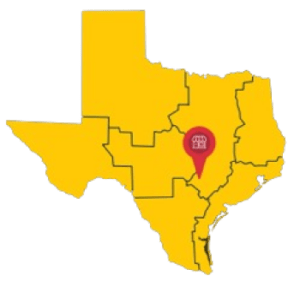
Find Us in Austin, Texas
12110 Manchaca Rd. Suite 200 Austin, TX, 78748
Email: wecare@signdepotatx.com
Phone: 512 219 8000